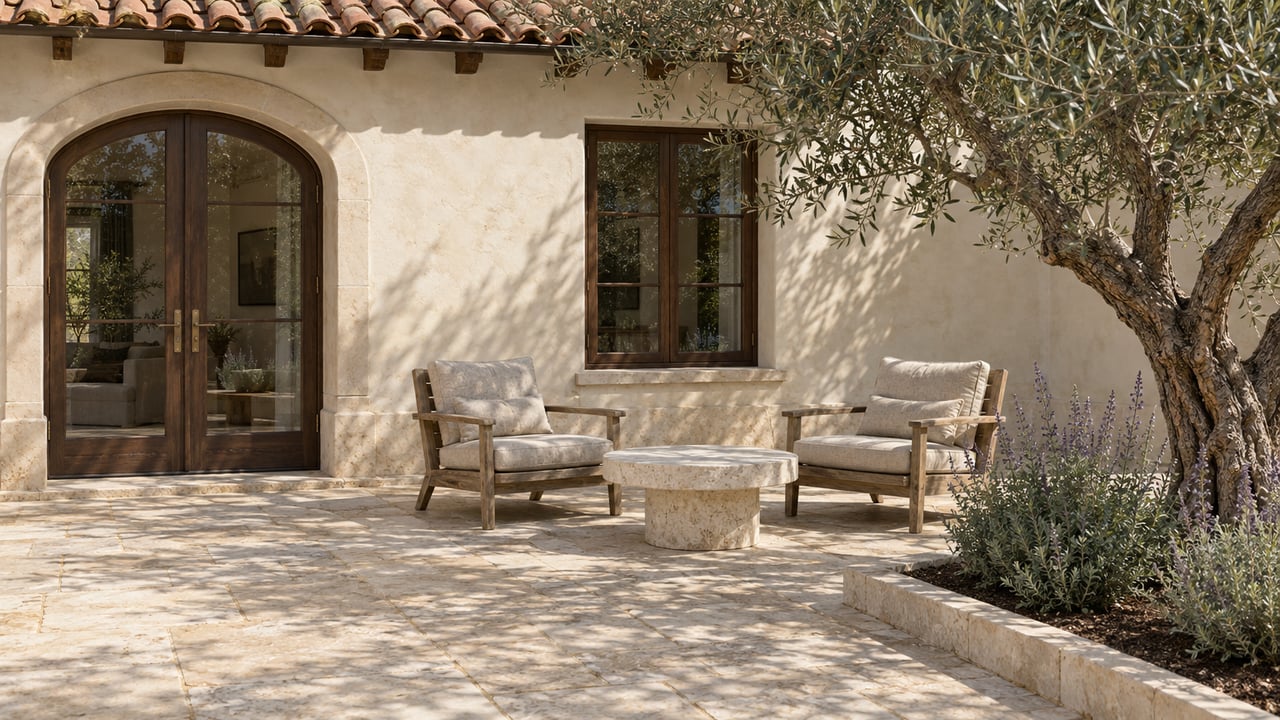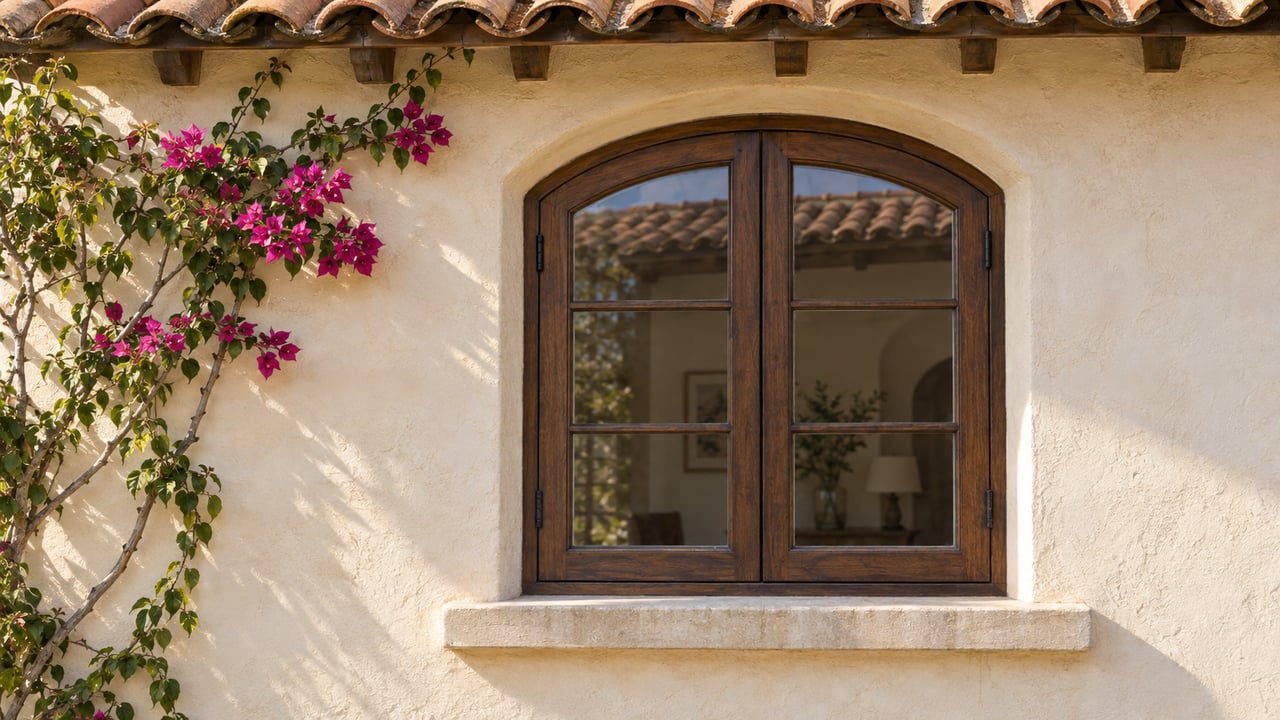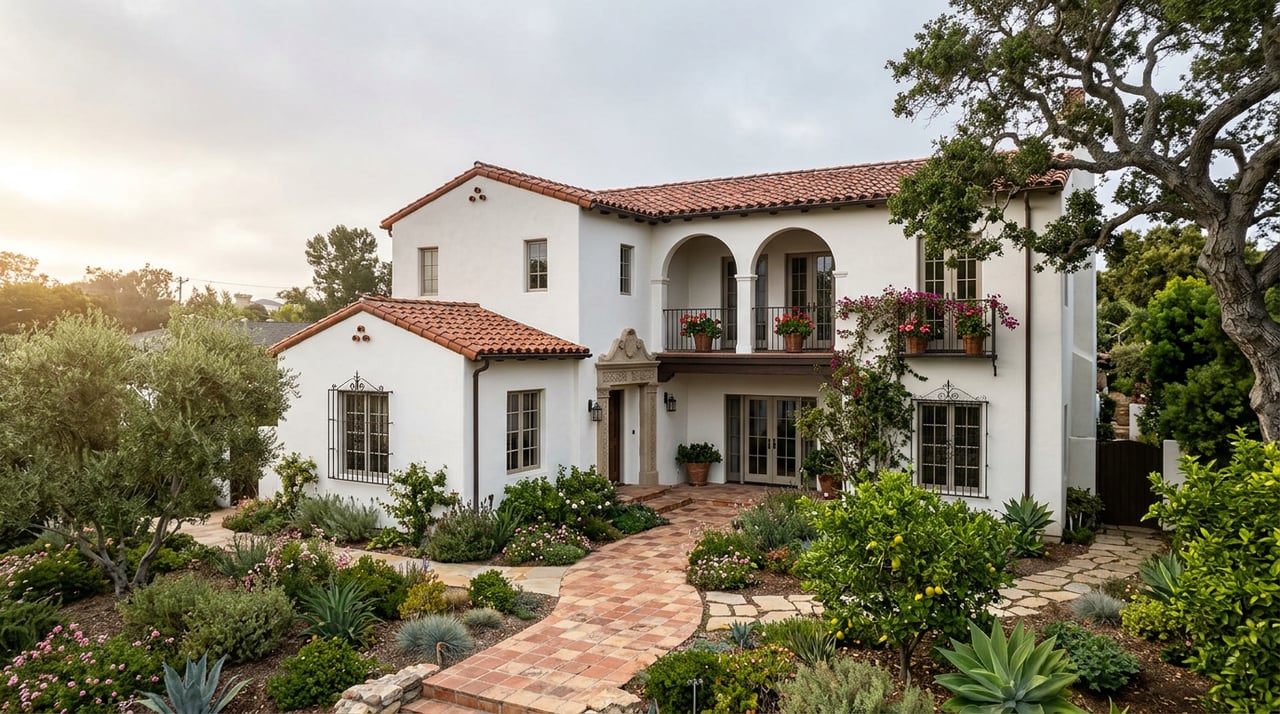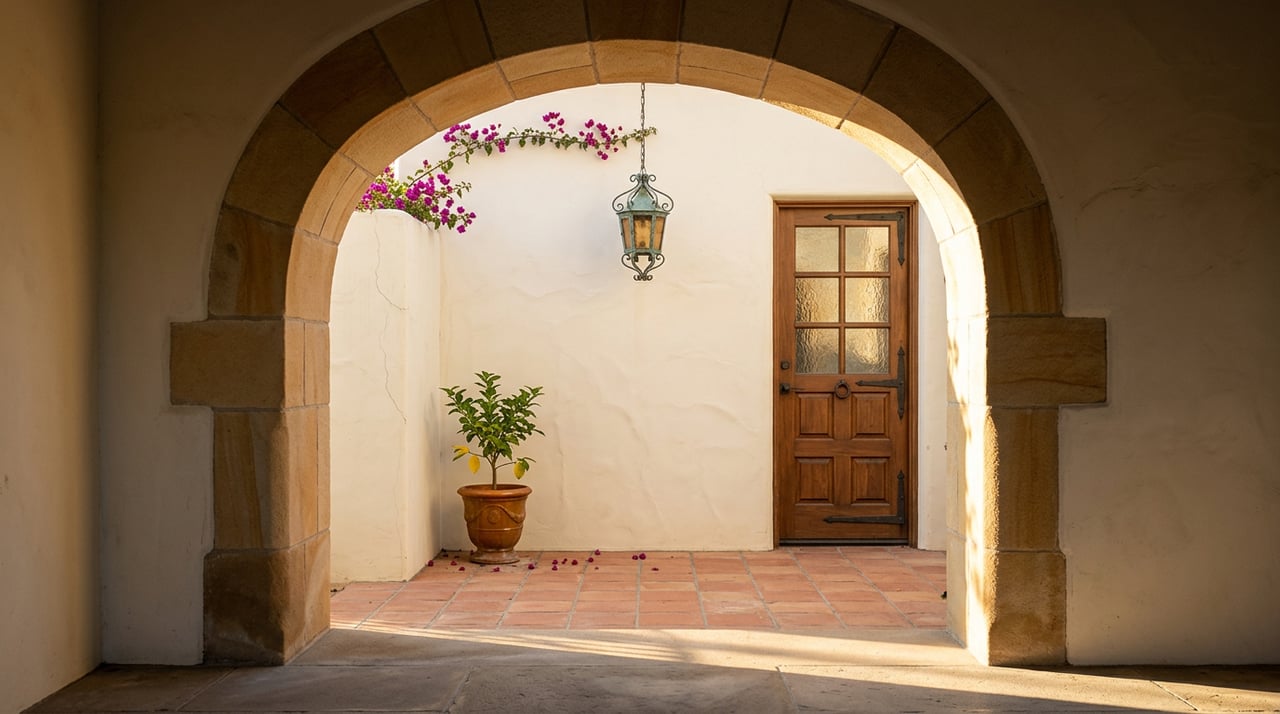
On the fourth Tuesday of the month, the dress code at Birnam Wood relaxes. Nice blue denim is allowed in the 19th Hole Bar, the kind without rips or fraying, and the room fills with members in jeans and golf shirts picking at tacos under a fireplace mantle carved from arched Santa Barbara sandstone. It is the most casual night on the club's calendar, and it happens inside a room that was doing serious agricultural work a century before anyone thought to put a bar in it.
The clubhouse sits at 2031 Packing House Road. That is not a developer's flourish. The building at the end of that road spent decades as the operational center of one of California's largest lemon ranches before anyone poured a cocktail inside it, and the club's most recent renovation made a deliberate choice not to hide that fact.
A Lemon Ranch Before It Was a Golf Course
In 1887, William H. Crocker, his mother-in-law Caroline Sperry, and a partner named John Cutting bought more than 218 acres around what is now the intersection of East Valley Road and Sheffield Drive. The original plan was a housing subdivision of 33 parcels. Real estate prices crashed in the late 1880s before that could happen, and the trio pivoted to ranching instead. After Cutting left the partnership, Crocker and Sperry planted most of the acreage in lemons, and the operation became known as the Crocker-Sperry Ranch, or Rancho Las Fuentes.
The packing house that anchored that ranch went up in 1892. For the better part of a century it did exactly what its name suggests: it sorted, graded, and shipped citrus. There was nothing decorative about it.
From Packing House to Clubhouse
Robert McLean bought the 250-plus acre Rancho Las Fuentes in 1964 with a different vision. McLean was a reader of Shakespeare, and he pulled the name for his new development from a line in Macbeth. By the time the packing house came into the plan, it was, in the words of one local historical account, already "in sad shape." The top two floors were removed and a second story was rebuilt with steel reinforcing. The club opened in 1967.
The golf course itself came from Robert Trent Jones Sr., one of the most influential course architects of the 20th century. He considered the 80-acre layout among his finest work.
"The best short course I ever built."
That line, attributed to Jones and repeated in club materials for decades, is not a marketing invention. It describes a course that asks golfers to think their way around it rather than overpower it, threaded through the same rolling ground the lemon trees once occupied. A handful of those original trees still stand on the property today.
The Renovation That Looked Backward First
Clubhouse renovations at private golf clubs tend to follow a familiar script: strip out the old, install the new, make the building feel like it could belong to any well-funded club anywhere. Birnam Wood's most recent renovation, led by DLR Group with interior design from San Francisco-based BraytonHughes Design Studios, did not take that route.
The stated goal was practical. Golf's membership base has been getting younger and more female for years, and the renovation was built around updating the entry, the living room, the event spaces, the restaurant and bar, the locker rooms, and the boardroom to fit that shift while still feeling familiar to longtime members and their kids. What makes the project worth noting is how the firms chose to solve that problem. Rather than erase the packing house, they let its cut stone exterior and curved arches set the terms for everything new.
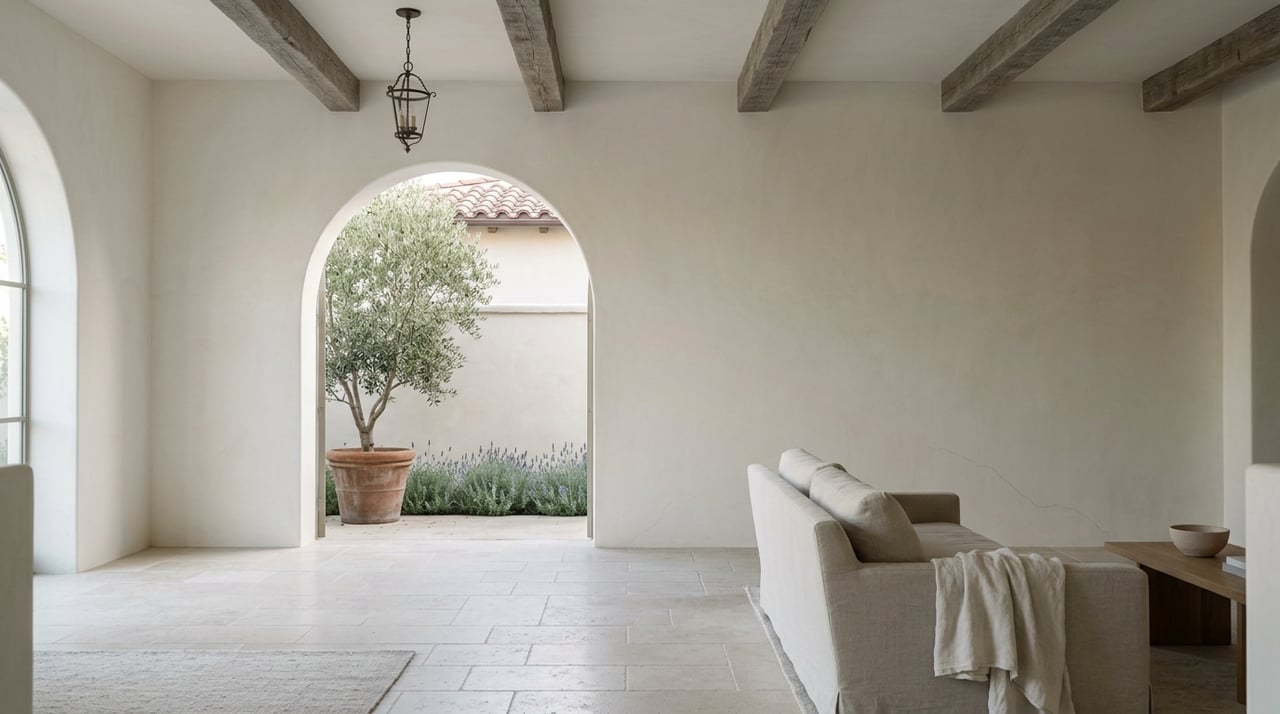
The new entry runs through barrel-vaulted ceilings and stone flooring toward a glass front that pulls in natural light. The living room's fireplace keeps its arched sandstone mantle, and the surrounding feature walls are built to echo the packing house's original character rather than cover it up. The restaurant, still called The Packing House, adds a wine display and a rolling library ladder, details that read as new without pretending the room started life as a restaurant. The color and material palette throughout draws from the building's own history as much as from any generic country-club catalog.
It is a small distinction, but it is the one that matters here. A club that wanted a clean break from its agricultural past had every opportunity to take it during this renovation, and the design team chose the opposite path.
The Calendar That Runs Through That Building
None of this history changes how the building gets used week to week, and that is worth walking through on its own terms. The club's own visitor guidelines lay out a rhythm most members could probably recite from memory. Daytime attire on the course and courts is straightforward: collared shirts, appropriate golf and tennis wear, no blue denim except on three specific occasions. In the evening, the rule shifts to country club casual in The Packing House, the 19th Hole Bar, and on the Veranda: nice pants, a tucked-in shirt, no coat or tie required.
Three windows break that formality on purpose:
- Sunday nights, when nice blue denim is allowed in the 19th Hole Bar
- The weekly Summer BBQ on the Veranda, denim permitted
- The monthly Taco Tuesday, the same relaxed rule
Those three exceptions carry more information than they look like they do. A club could set its dress code anywhere on the spectrum from black tie to anything goes. Birnam Wood chose to keep formality as the default and carve out specific, recurring, named occasions where it drops. That is a different kind of tradition than simple exclusivity. It is a calendar built around the idea that a golf club, even a private one behind a guard gate, still needs a few nights a week that feel like a neighborhood cookout rather than a boardroom.
What the Address Actually Tells You
Put the two threads together and the picture sharpens. The building's bones come from a working ranch that had nothing to do with leisure. The renovation team had every reason to smooth that history into something more polished and chose instead to build the new spaces around it. And the weekly calendar layers a genuinely casual set of rituals, tacos and burgers and BBQs, on top of a room with a 19th-century stone fireplace and barrel-vaulted ceilings.
For anyone who already lives inside the gates, that combination is probably just Tuesday night. But it is a more specific kind of continuity than most golf communities can claim. The road sign still reads Packing House Road for a reason, and the club leaned into that name rather than away from it when it had the chance to do otherwise.
Our own Jim Vaughan grew up around that clubhouse. His family has had a home in Birnam Wood since 1985, long before the most recent renovation, and he still measures the place by the same landmarks: the sandstone mantle, the Veranda on a BBQ night, the course Robert Trent Jones Sr. built into ground that used to grow lemons. That kind of familiarity does not come from a listing sheet. It comes from having actually spent the evenings there.
If you are already part of this community and want to talk with someone who knows it from the inside, Goodwin & Thyne Properties is glad to be a resource, whether the conversation is about the neighborhood, a renovation of your own, or simply comparing notes on the best night to show up for tacos.